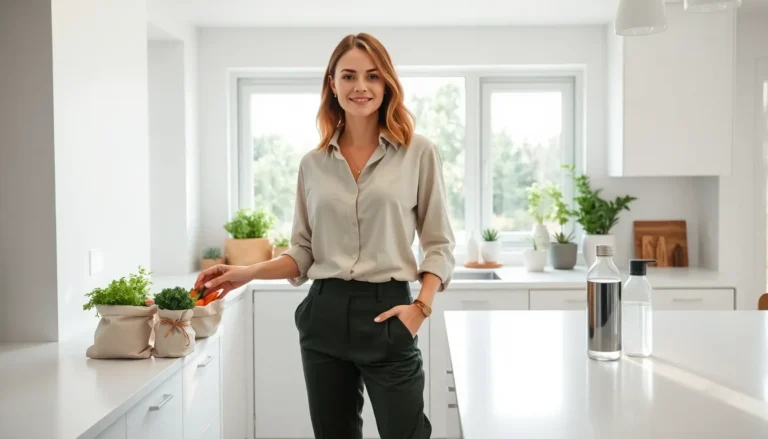
Minimalist living trends 2026 signal a shift toward simpler, more intentional lifestyles. As clutter, both physical and digital, continues to overwhelm daily life, more people are choosing less. They’re cutting back on possessions, screen time, and unnecessary commitments. The movement isn’t new, but 2026 brings fresh approaches that reflect current priorities: sustainability, mental clarity, and meaningful experiences. This article explores the key minimalist living trends 2026 will bring and how they’re reshaping homes, habits, and consumer behavior.
Table of Contents
ToggleKey Takeaways
- Minimalist living trends 2026 prioritize digital minimalism, encouraging intentional tech use and phone-free routines to reclaim attention and mental clarity.
- Sustainable consumption drives minimalist behavior, with more people adopting capsule wardrobes, secondhand shopping, and the “one in, one out” rule.
- Functional home design and micro-living spaces are reshaping how people live, featuring multi-use furniture, neutral palettes, and hidden storage solutions.
- Experiences now outweigh material possessions as minimalists choose travel, events, and shared activities over accumulating things.
- Minimalist living trends 2026 reflect deeper values: sustainability, presence, and aligning purchases with what truly adds meaning to life.
Digital Minimalism Takes Center Stage
Digital minimalism emerges as one of the defining minimalist living trends 2026 will spotlight. People are tired of constant notifications, overflowing inboxes, and endless scrolling. The solution? Intentional tech use.
Digital minimalism means keeping only the apps, subscriptions, and devices that add real value. It’s about deleting what distracts and protecting attention like a finite resource, because it is. In 2026, expect to see more people adopting phone-free mornings, scheduling social media windows, and unsubscribing from newsletters they never read.
Several factors drive this trend. Remote work blurred the line between personal and professional screen time. Mental health concerns linked to social media use have gained mainstream attention. And frankly, digital fatigue is real. Studies show the average person checks their phone over 140 times per day. That’s exhausting.
Practical steps for digital minimalism include:
- Auditing apps quarterly and removing unused ones
- Setting screen time limits for specific categories
- Using grayscale mode to reduce phone appeal
- Keeping phones out of the bedroom
This minimalist living trend 2026 reflects a broader desire for presence. People want to be where they are, not lost in a screen. Tech companies are even responding, some now offer built-in focus tools and usage reports. The message is clear: less scrolling, more living.
Sustainable and Intentional Consumption
Sustainability and minimalism go hand in hand in 2026. Minimalist living trends 2026 emphasize buying less, and buying better. Consumers are questioning every purchase: Do I need this? Will it last? What happens when I’m done with it?
This shift shows up in several ways. Secondhand shopping continues to grow, with thrift stores and resale platforms seeing record traffic. Capsule wardrobes, small collections of versatile clothing, gain popularity as people reject fast fashion. And repair culture is back. Why replace something when you can fix it?
The “one in, one out” rule has become a household standard for many minimalists. Before buying anything new, something old leaves. This simple practice keeps clutter in check and forces intentional decisions.
Brands are adapting to these minimalist living trends 2026 brings. Companies now highlight durability, repairability, and ethical sourcing. Packaging shrinks. Product lines simplify. The minimalist consumer doesn’t want 47 options, they want one good one.
Environmental concerns fuel this trend too. Climate anxiety pushes people toward lower-consumption lifestyles. Owning fewer things means less waste, smaller carbon footprints, and reduced demand for resource-heavy manufacturing.
Minimalist consumption isn’t about deprivation. It’s about alignment. People want their purchases to reflect their values. In 2026, that means quality over quantity, every time.
Functional Home Design and Micro-Living Spaces
Home design reflects minimalist living trends 2026 in obvious ways. Spaces are getting smaller, smarter, and more intentional. The McMansion era feels distant. Today’s ideal home serves function first.
Micro-living spaces are gaining ground, especially in urban areas where housing costs keep climbing. Studios, tiny homes, and compact apartments attract people who’d rather own less and live debt-free. These spaces force decisions: every item must earn its place.
Functional design prioritizes multi-use furniture. A dining table doubles as a workspace. A sofa hides storage underneath. Wall-mounted shelves replace bulky bookcases. Nothing exists without purpose.
Neutral color palettes dominate minimalist homes in 2026. Whites, grays, and earth tones create calm environments. Visual clutter decreases when colors stay consistent. The effect is psychological, clean spaces feel peaceful.
Minimalist living trends 2026 also include hidden storage solutions. Built-in cabinets conceal everyday items. Appliances tuck away behind panels. The goal is clear surfaces and open floor plans.
Some key features of minimalist homes include:
- Open layouts that maximize natural light
- Furniture with clean lines and no ornamentation
- Limited decorative objects, each one meaningful
- Smart home tech that reduces physical clutter (thermostats, speakers, lights)
This approach extends beyond aesthetics. Smaller homes cost less to heat, cool, and maintain. They require less cleaning. And they encourage residents to spend time outside, with friends, or pursuing hobbies instead of accumulating stuff.
Mindful Experiences Over Material Possessions
The experience economy isn’t new, but minimalist living trends 2026 deepen its roots. People increasingly choose experiences over things. A weekend trip beats a new gadget. A cooking class trumps kitchen accessories that collect dust.
This trend reflects changing values. Research consistently shows experiences bring more lasting happiness than material purchases. Memories appreciate: objects depreciate. Minimalists in 2026 understand this math.
Gift-giving habits are shifting accordingly. Instead of physical presents, people give concert tickets, spa days, or restaurant vouchers. Parents take kids on adventures rather than filling playrooms with toys. The clutter never accumulates in the first place.
Minimalist living trends 2026 also emphasize presence during experiences. That means phones stay in pockets during dinners. Vacations happen without constant photo documentation. The point is immersion, not content creation.
Community experiences gain traction too. Shared activities, group fitness, community gardens, co-working spaces, replace individual ownership. Why own a boat when you can join a sailing club? Why buy exercise equipment when a gym membership exists?
This mindset reduces financial pressure. Experiences often cost less than premium products, and they don’t require storage or maintenance. Minimalists redirect spending toward what matters: connection, growth, and joy.
The shift isn’t anti-material, it’s pro-intention. Minimalist living trends 2026 ask a simple question: Will this add meaning to my life? If the answer is yes, proceed. If not, skip it.